
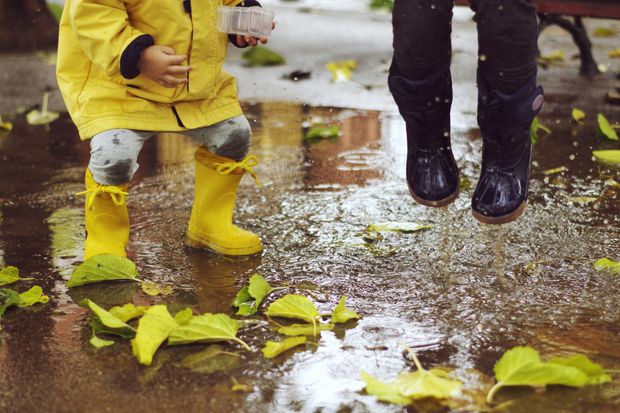
if we accepted that children will behave like children?
We’d say ‘of course they can’t sit still’ and we’d create classrooms to move around in. We’d get rid of rooms full of tiny chairs and desks except for a space for those who like a table to draw or write stories.
We’d say ‘of course they won’t be quiet’ and think of ways to learn that involve doing rather than listening. We’d create spaces where noise wasn’t a problem.
We’d say ‘of course it’s important to have a say’ and we’d involve them in making decisions as much as we could. We wouldn’t tell them that we know better or that their perspective doesn’t count, because we’d see how they are learning that their views can matter. Even when those views are different to our own.
We’d say ‘of course they need to feel that they belong’ and we’d prioritise relationships, making sure each child felt welcome in the mornings and that they are a part of the community.
We’d say ‘of course they are all different’ and stop measuring them all with the same yardstick. We’d create exciting opportunities for those who find academics hard, and tell them that there’s hope for all of their futures.
We’d say ‘of course they’ll need to play’ and think of ways to fill their world with places to bounce, explore, create and pretend. We’ll see that play is the work of childhood, and that can’t be confined to the playground or to break time.
We’d be mindful that what we say to our children now creates their inner voice for the future.
When they grow up hearing ‘what you think isn’t important’ and ‘just sit still for a change’ and ‘why do you always make such a mess’ or even ‘what is wrong with you?’, then that shapes the adult they become.
Childhood is a unique and exciting time. We can never go back and be children again.
What would happen if we valued childhood and made space for our children to be children?